Part Seven (Originally published March 7, 2015)
Begin with Part One of the Family Connection series here)
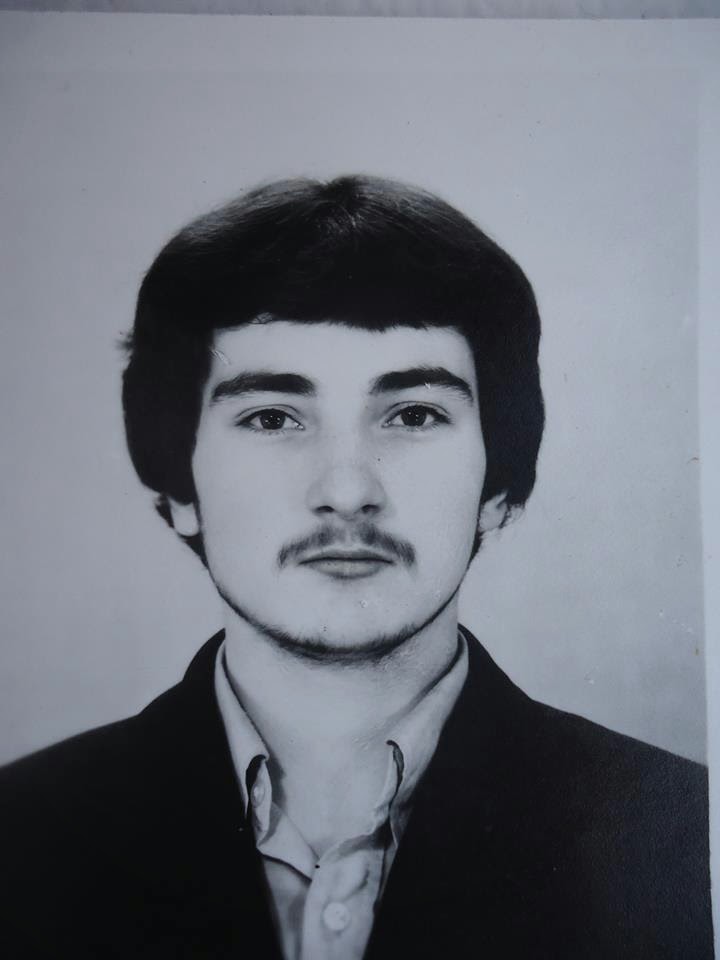
The tears I shed for Igor, and they were many, took me by surprise. Dead eight years. I could not get him off my mind. Grief would overcome me suddenly, as though Igor was my family. Lia asked me to pray for him, although he had been gone eight years. And I did.
In my Protestant tradition, I have never prayed for the dead. I checked the internet. “Opinions” on praying for the dead run the gamut. I say “opinions” because how can anyone really know for sure? How can “experts” speak with such authority, and be in complete opposition to one another? In any case, I don’t know the truth. I’ll admit it. I don’t think anyone else knows either. Not for sure. The people I trust the least are the ones who are most confident they are right.
People are referred to as “grasshoppers” in Isaiah 40:22. Maybe that means we cannot know the mysterious ways of God. We can’t see the BIG picture, like God can. We only see the grass and dirt in our little, isolated part of the world.
It is a mystery, this connection I felt with the father of my son that went beyond curiosity. So I will pray for Igor. And I will “hold him in the Light,” as Lia said she would do also for my deceased mother.
It was easy to agree to hold beautiful, tragic Igor in the Light. Before I even knew the story I am sharing, I felt an otherworldly connection with this man when his likeness of his son starred back at me. His photos captured a boy and young man who rarely smiled. Had he known so little joy in his short life?
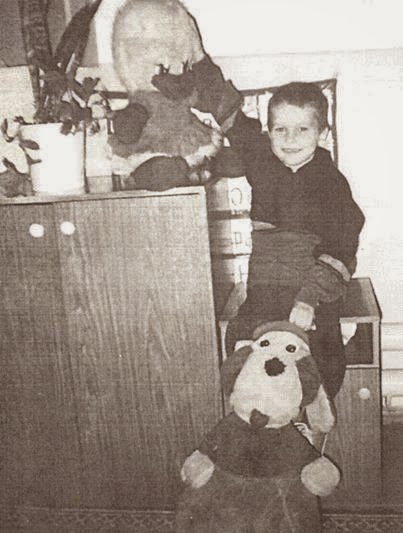
First of three photos faxed from Russia
I thought back over the photos of his son, my son, even the first cherished one I ever saw of him. What surprised me from the beginning was Roma’s joyful smile. I had not expected it. Not from a boy from an Eastern European orphanage, who was old enough to know his family, then be torn from it. But there was a twinkle, a knowledge of joy, a realization that life could mean joy. And when I met him, I was taken back by his belly laugh. The small, wiry boy laughed with such force and exuberance, he brought us all into his excited happiness. Where did his joy come from?
* * * * * * * * * *
The year, 1994, had begun with such hope for twenty-nine year old Igor. He finally had a job as an artist that suited him. He had never been trained as a painter, but he looked forward to more practice and perhaps instruction. He would soon have enough money saved to be able to bring pregnant Marina and their two daughters to Georgia, if he could find a way to get them across the closed border.
The news of the death of his five-year-old daughter, Diana, was a devastating blow for Igor. Making a terrible situation even worse, he was unable to cross the border back into Chechnya to grieve with his family or attend her funeral. He withdrew into himself, and would not even allow Lia, his most loved and trusted confidante, to comfort him.
Back in Chechnya, Liana, ten years old, must have thought the world was coming to an end. She had adored little Diana. Her sister, her playmate and best friend was gone.
I couldn’t help but think of a parallel. I remembered when my son, Taylor, was born five years after my second child, Kellie. My oldest, Heather, was seven and a half, and had many outside interests and activities. As expected for that age gap, she was not as interested in a new baby. But Kellie adored her little brother. She mothered him with me. She carried him around and talked baby-talk to him. He reserved his biggest smiles for her. His first word was Kellie, not Mama. He was her baby. When he was five, and she, ten, the same ages of Diana and Liana, there was a set-in-stone, unbreakable bond that still exists at ages 25 and 30, If something had happened to adoring Taylor at five years old, it would have been a wound Kellie would have carried for life.
As Kellie would have been, Liana was lost. Diana was gone forever. Her papa was far away, and her mother convulsed with inconsolable grief. What would become of them? Would life every be normal again?
Igor was still living at his aunt’s home a few month later. Lia and her husband were living there too at the time while Lia’s parents were visiting their son in Greece. They celebrated Lia’s birthday in June with a party. After everyone was asleep, Igor went out on the porch to smoke a cigarette.
The house across the street was still alive with people attending a graduation party. Some of the guys in the street noticed Igor smoking, and came over and asked for a light. When he spoke Russian, they became angry because of the political hostilities between Georgia and Russia. Soon the dispute turned into shoving, and then a fight, with one threatening Igor with a gun. Four men beat Igor severely.
Wounded, Igor limped back into the house, and found his grandfather’s hunting rifle. Back on the porch, he frantically shot into the darkness, just to scare the thugs away and to let them know he was armed so they wouldn’t come back.
In the darkness of the dirt roads of rural Georgia, a frightened young man, who had had a very bad year, pulled the trigger without thinking clearly. The bullet struck and killed one of the teens.
I can only imagine the scene, as Lia woke with a terrifying start, the screaming from the neighboring party. Igor’s dreams slipped away as blood ran from the dying boy.
He was sentenced to fourteen years in prison.
His baby son, Roman Igorevich Sudzhashvili, named for his grandfather and father, as was the Georgian and Russian tradition, was born six weeks later, just over the Caucasus Mountains in Mozdok, Russia, in August of 1994.
 Consider it all JOY