Part Eight, June 6, 2017
Start with Part One.
Bruce and I were on our own with Misha in the white Toyota van on Monday morning, June 5, again, clueless where the day’s adventures would lead us. As I reflected on our many and varied activities so far, it was hard to believe we had spent only one day in Georgia.
Bruce chatted with Misha in the front seat. Bruce is the extrovert in our duo, and is never at a loss for conversation. I listened from the back seat, tightly buckled in, mostly lost in my day dreams, as usual. I wrote occasionally in my journal, although my writing was almost unreadable, with Misha’s quick passing techniques on windy and bumpy roads, or swerving to miss cows in the road, or sheep. or people.
Misha liked his music, and his station, one out of Russia, played songs often sung in English. I heard a sultry version of Michael Jackson’s Billy Jean, and some other older American songs redone by Russian artists that Misha liked. One often repeated seductive song still echoes in my memory, performed by a woman, and by the end of the week, I could sing along at parts. “Bang, bang, my baby shot me down.” I wonder if Russians and Georgians singing along with that upbeat little ditty know what the English words say?
Misha, who like Roma, never seemed to meet a stranger, conversed with animation with Bruce in the passenger seat. His English wasn’t great. He was “self taught” he proudly told us. But we could almost understand him, when he wasn’t excited and talking too fast. When Bruce asked him a question, he would look over at him, really appearing interested in what Bruce had to say. I often thought he needed to watch the road a little more carefully.
Misha could’ve been 25 or he could’ve been 40. We couldn’t decide. Bruce had previously guessed 28, the same age as our older son, Taylor. I thought he could be older, maybe 35. Bruce asked him, and he said he was 38.
I didn’t talk much to Misha from the backseat. I didn’t want him to turn to make eye contact with me like he did with Bruce, and take his eyes off the road. Even while watching the road, and his quick responses, Misha made driving decisions that made me close my eyes and hold my breath. How ironic that I might die on this trip. But I could almost hear Roma say, “Not THIS week, Mom.”
Misha’s hands reminded me of Roma’s. His fingers didn’t taper, but were the same width all the way to their blunt ends. Misha was not a relative, but a friend of the family. And he gripped the steering wheel like Roma did. And I bet, if Roma rode with Misha, he would have wanted to drive like Misha. Misha and Roma would be buddies in no time. Thank you, God for this unexpected gift of Misha.
I decided I was best off not watching his passing techniques around hairpin turns with oncoming traffic. Instead I would look out at the astounding beauty of the countryside.
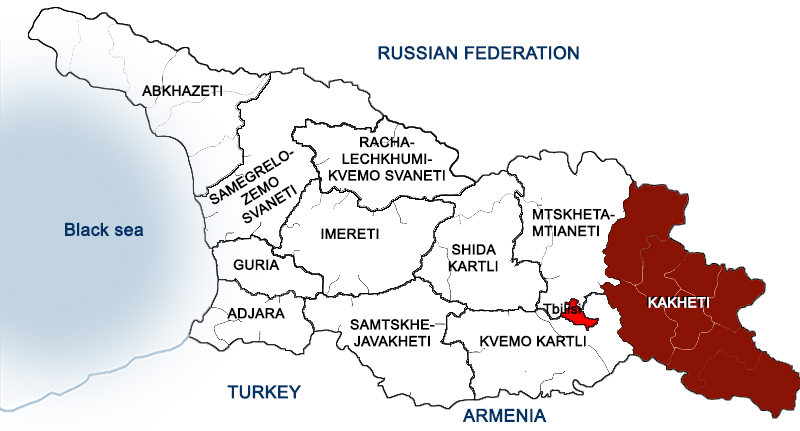
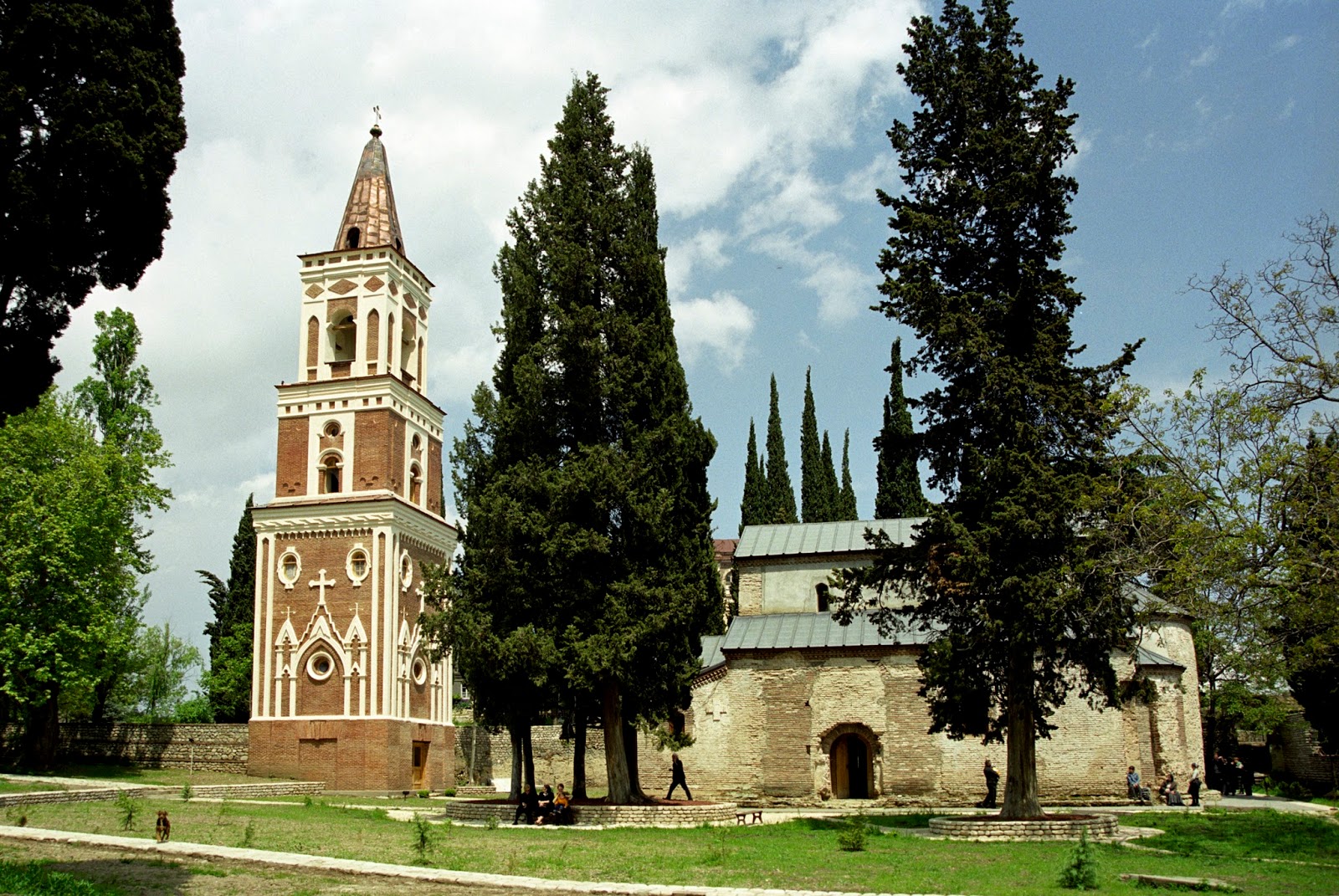
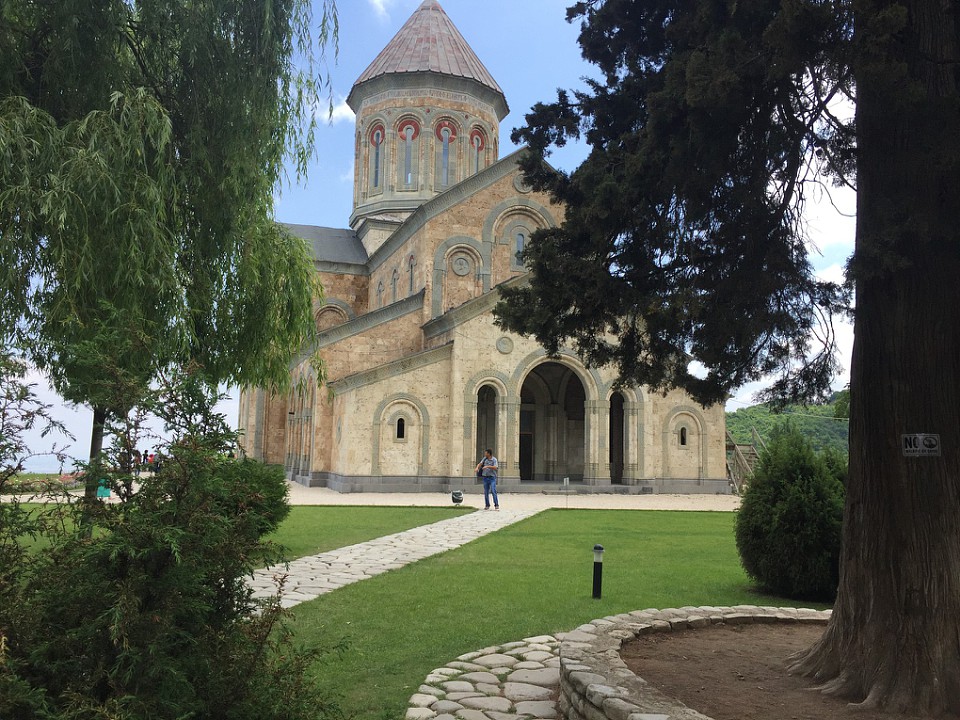
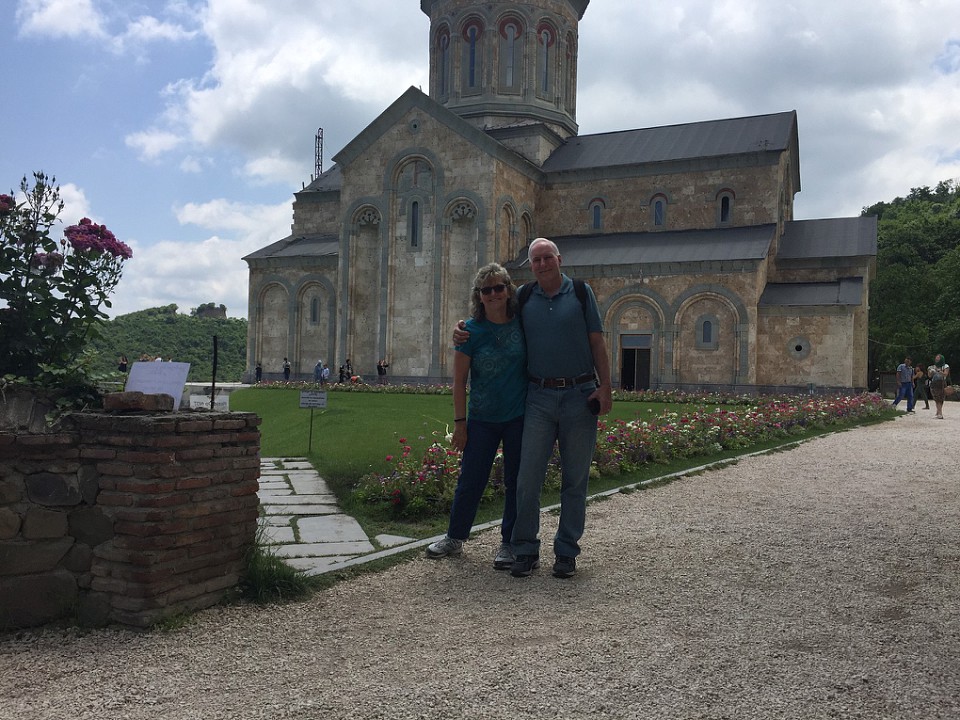
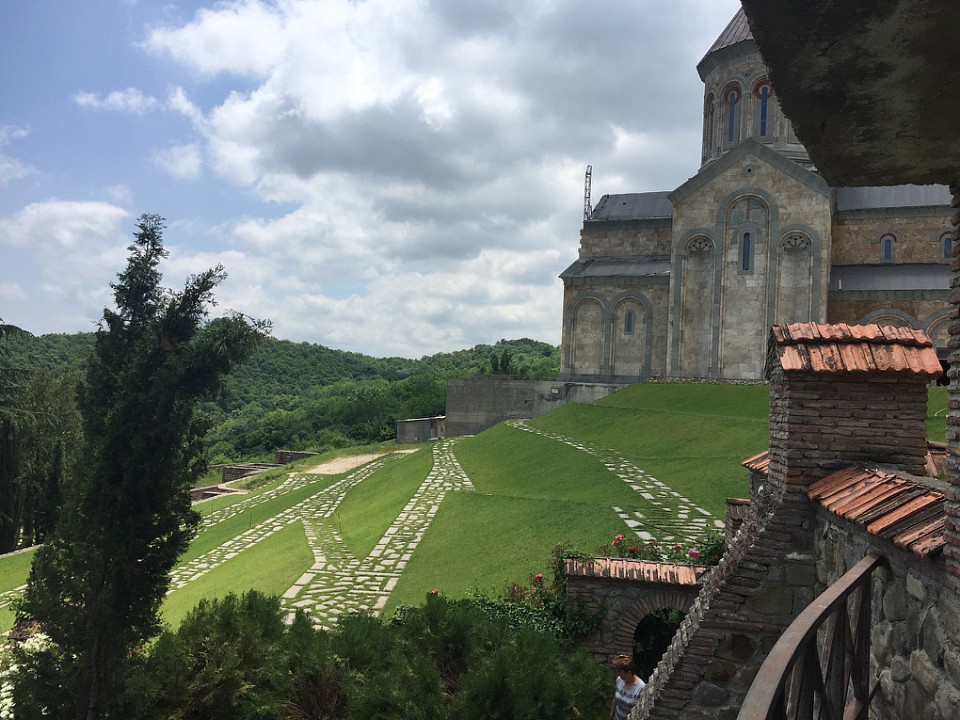
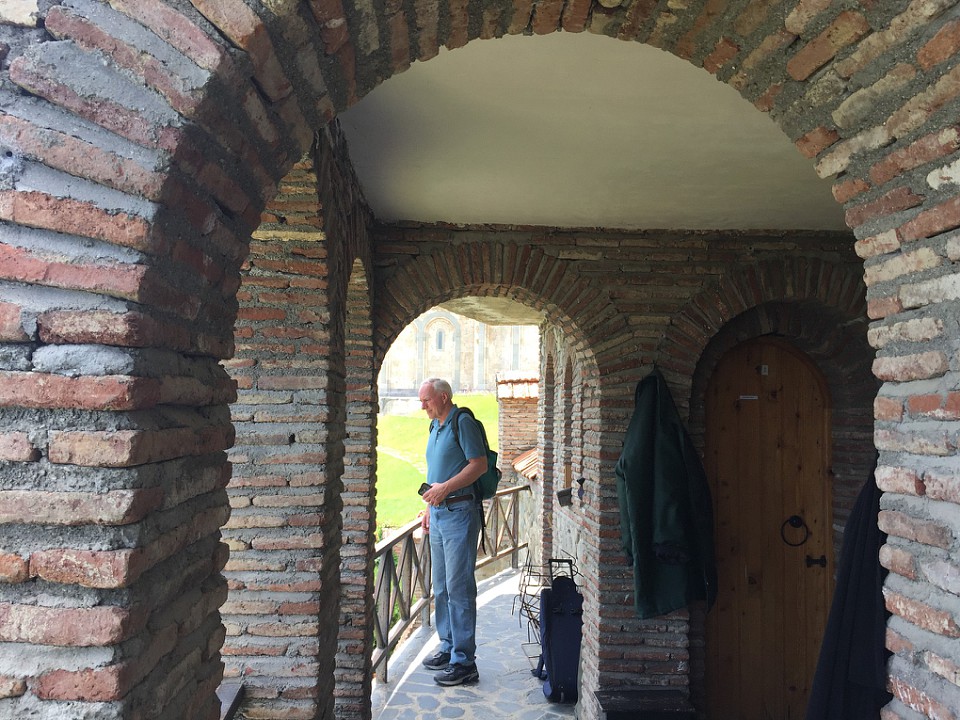
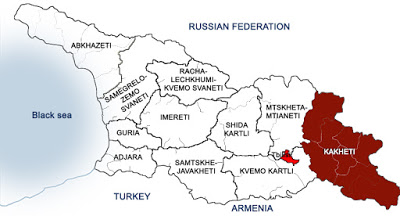
We drove about an hour and a half to the region of Kakheti. Misha explained that this was the burial place of St. Nino, and a destination of pilgrims over the centuries. Read more about St. Nino, the fourth century female evangelist credited for converting the ancient Kingdom of Iberia to Orthodox Christianity. In her later life, she withdrew to the area of the Bodbe Gorge, in Kakheti, where she died 338 – 340 AD. To memorialize her, King Mirian III had a small monastery built where she was buried. The grounds were stunning and immaculate.
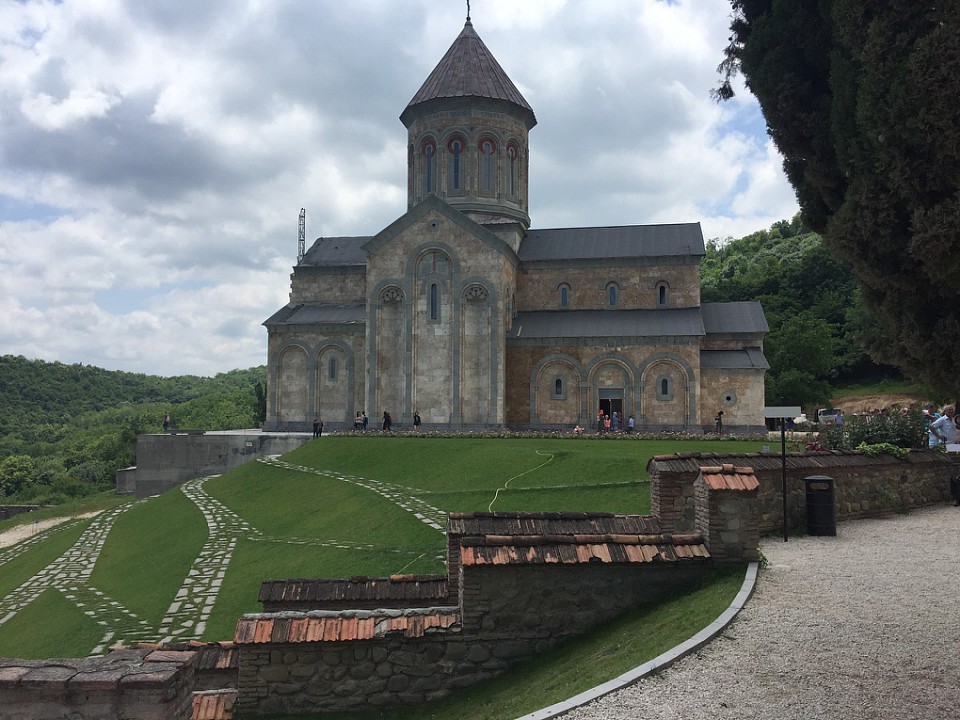
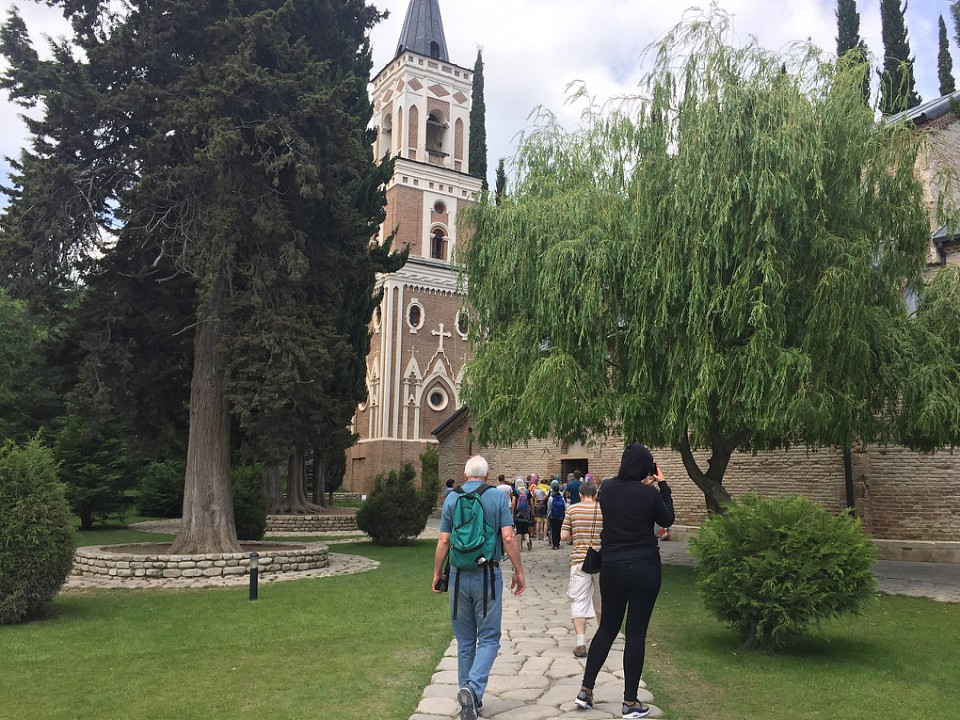
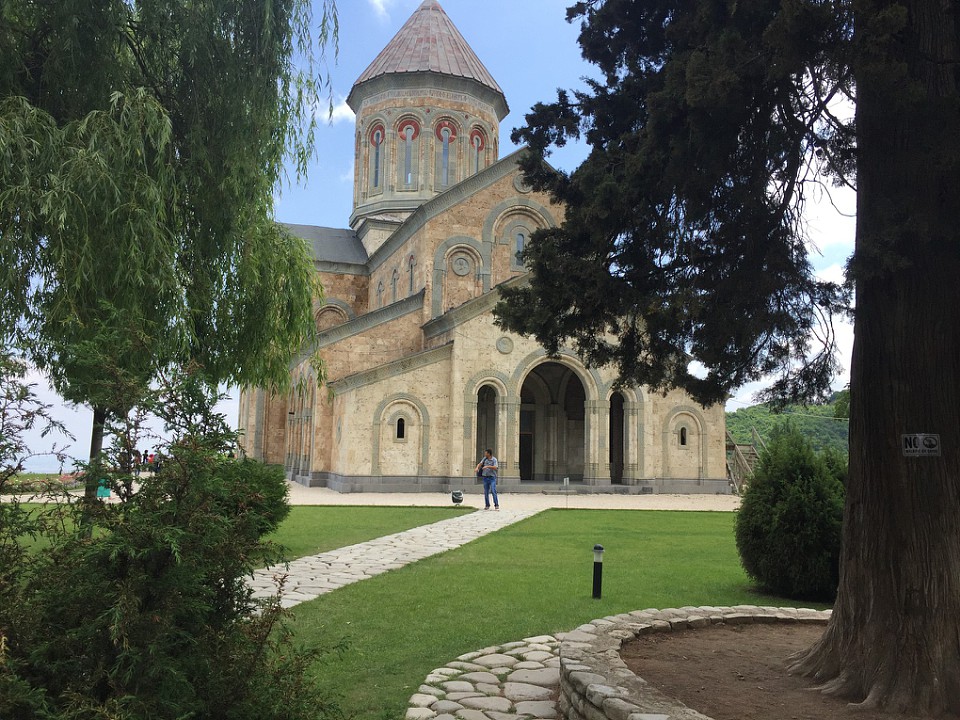
The revered site gained prominence during the Middle Ages when the kings of Kakhet chose it was the location of coronations. The monastery was pillaged in 1615 by the troops of Shah Abbas I of Persia. It was restored soon after by the Kakhet king who reigned until 1648. The monastery was then operated as an important religious book depository.

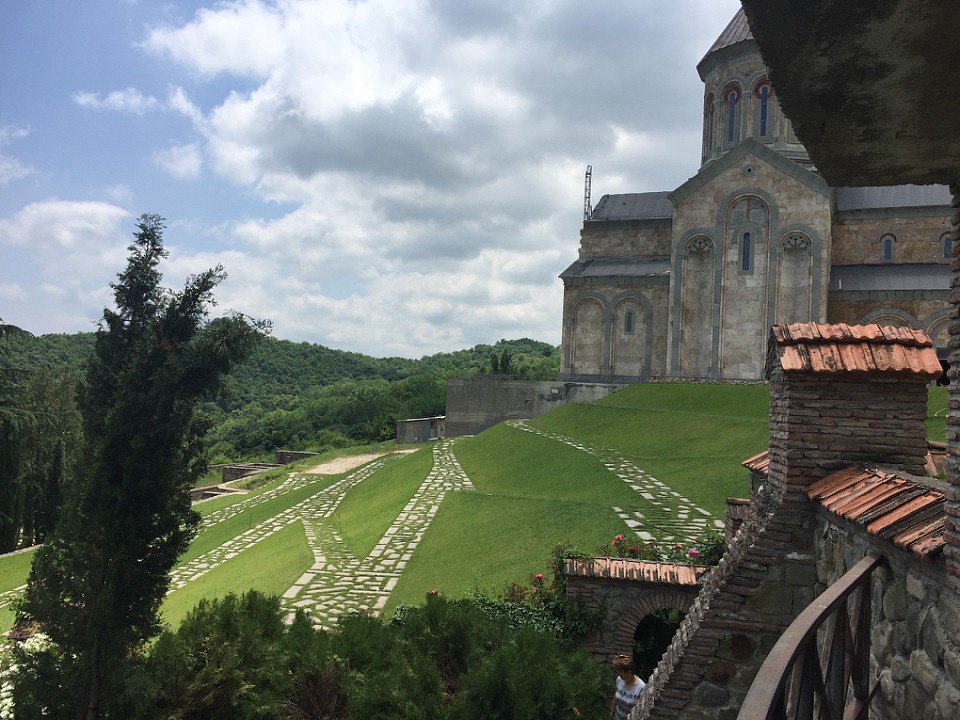
In the 1800s the chapel housing St. Nino’s relics was refurbished. Nine years later, Tsar Alexander III of Russia visited and reopened a nunnery on the premises. Once again a convent, Bodbe operated a school where painting and needlework was taught. But, in 1924, the newly empowered Soviet government closed the convent and opened a hospital. When the Soviet Union dissolved in 1991, no time was wasted in returning Bodbe to a convent. For the next decade, restoration efforts were ongoing.
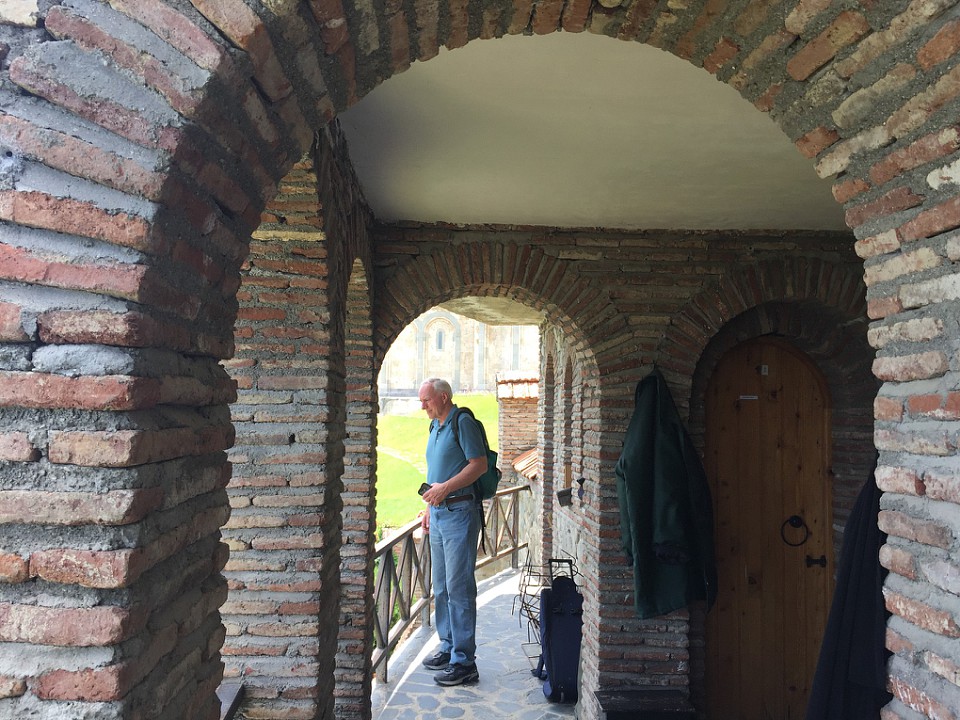
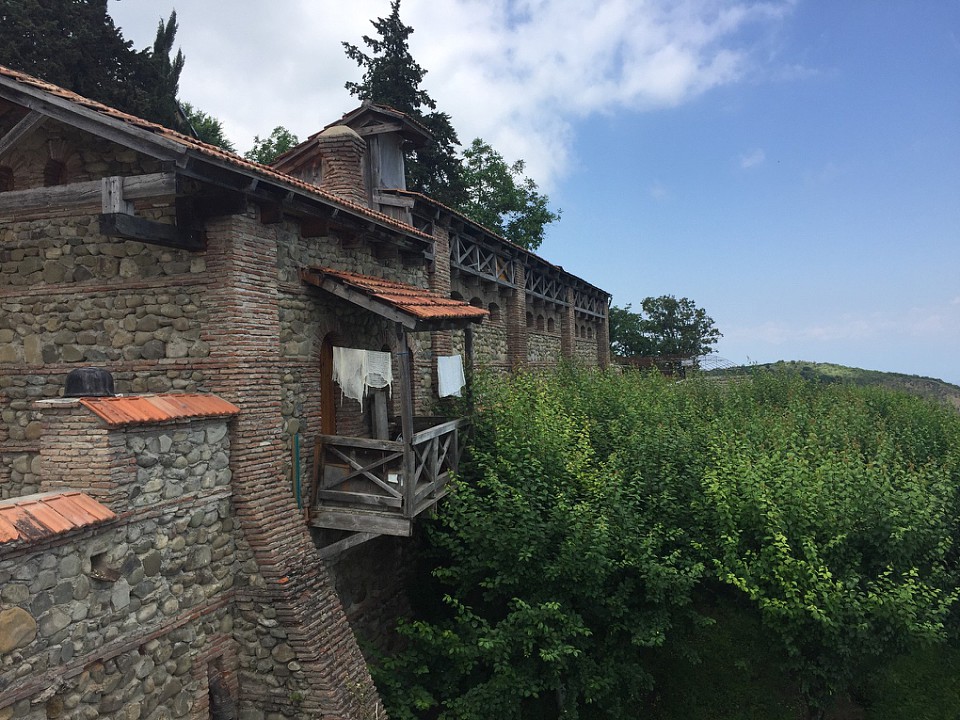
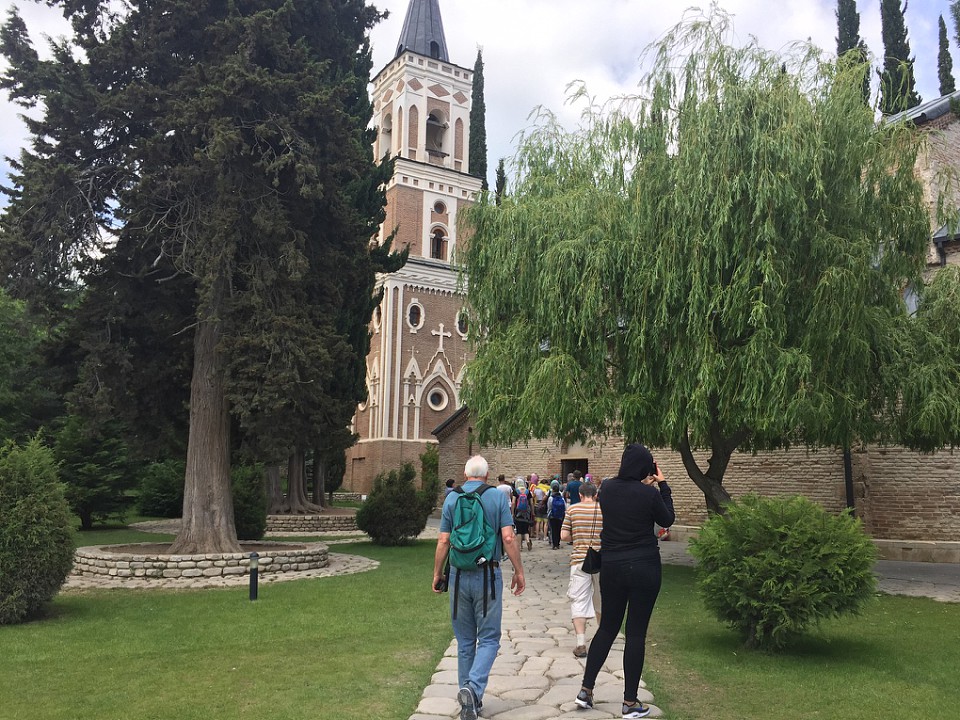
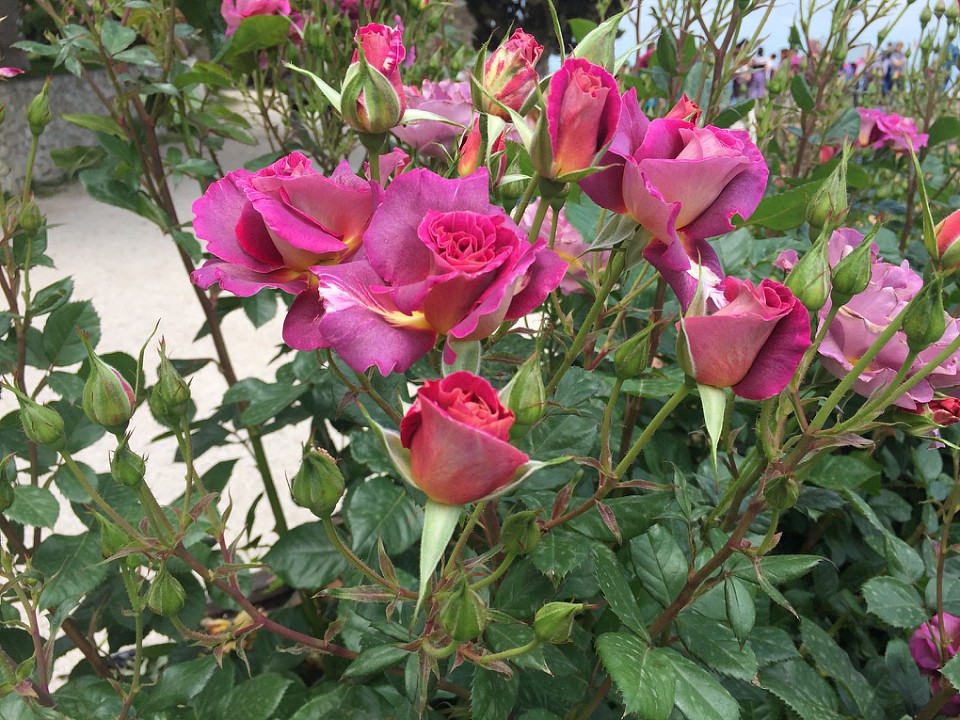
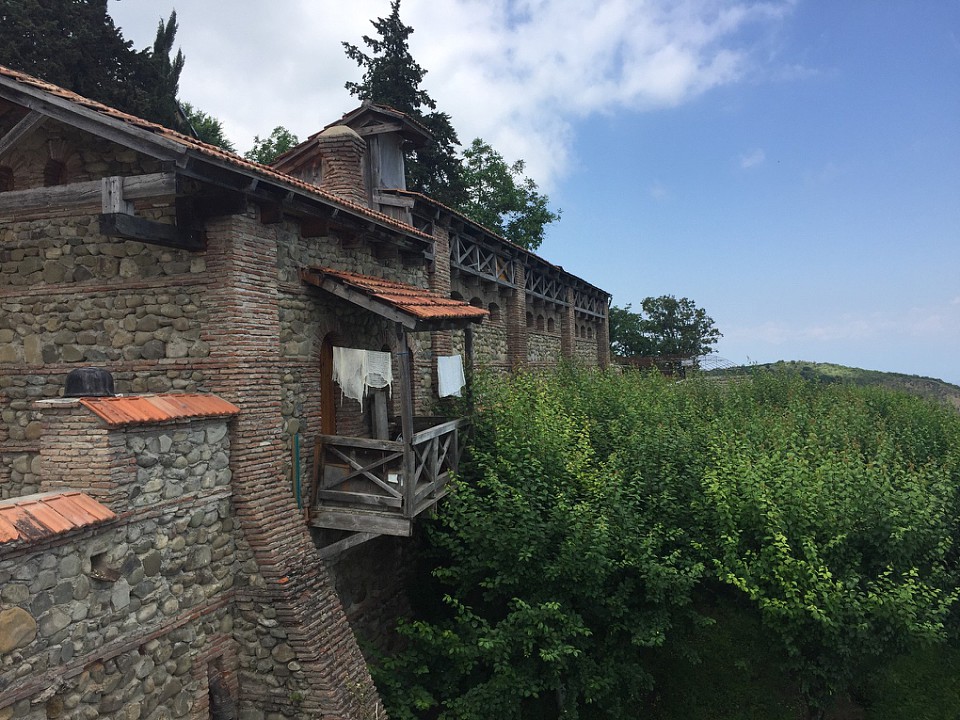
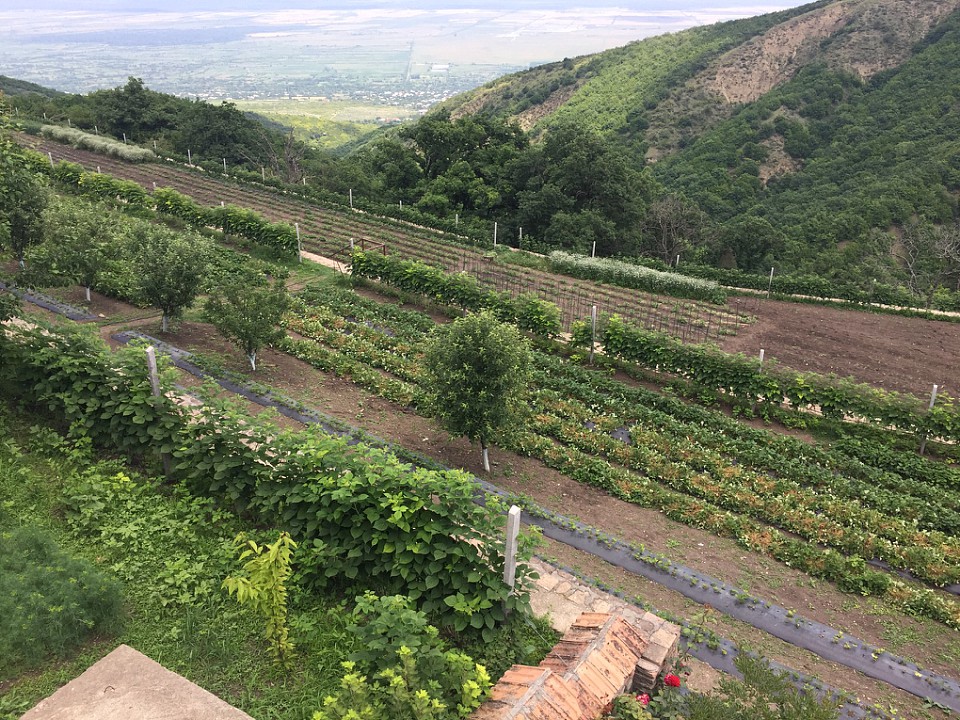
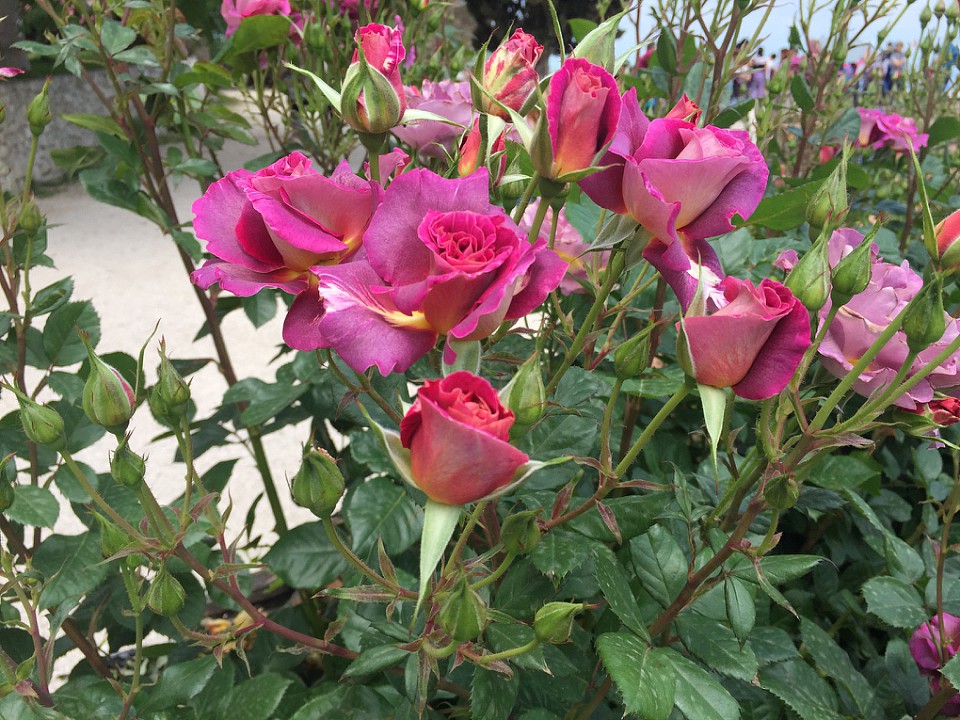
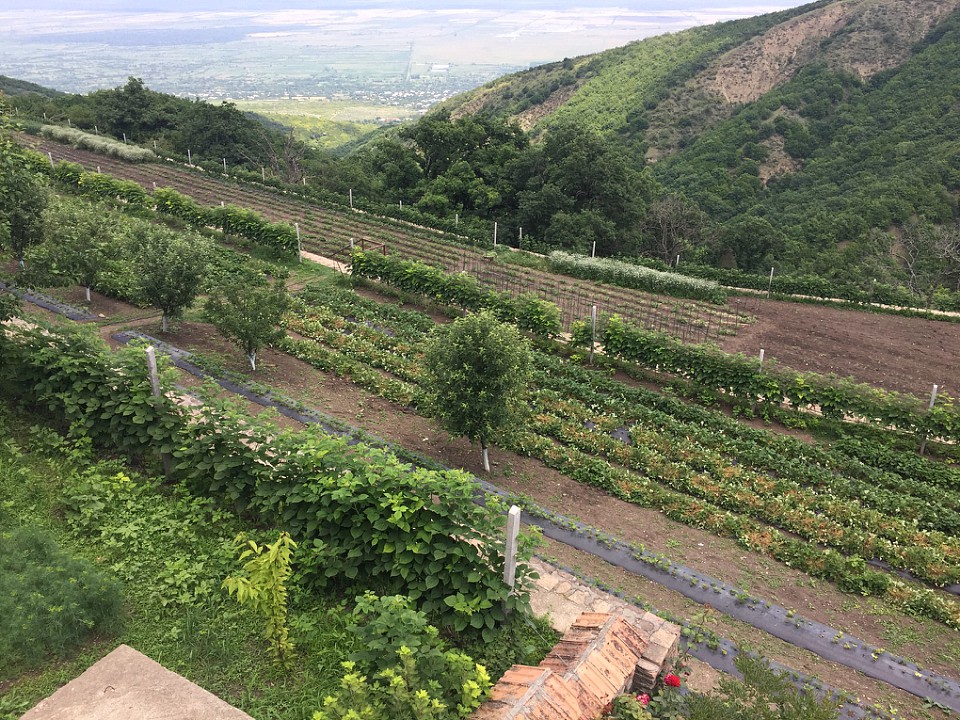
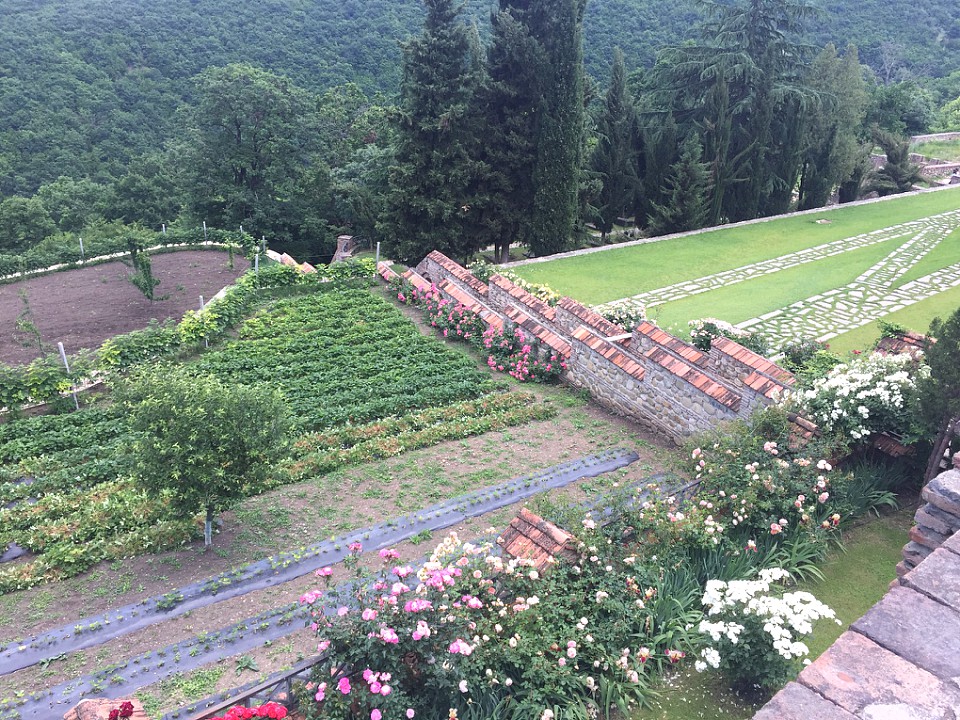
Today, once again, the monastery, nestled in tall cypress trees, functions as a nunnery, Bodbe Monastery is a destination for thousands of visitors and pilgrims each year. The nuns tend the vast and beautiful gardens, orchards, and vineyards.

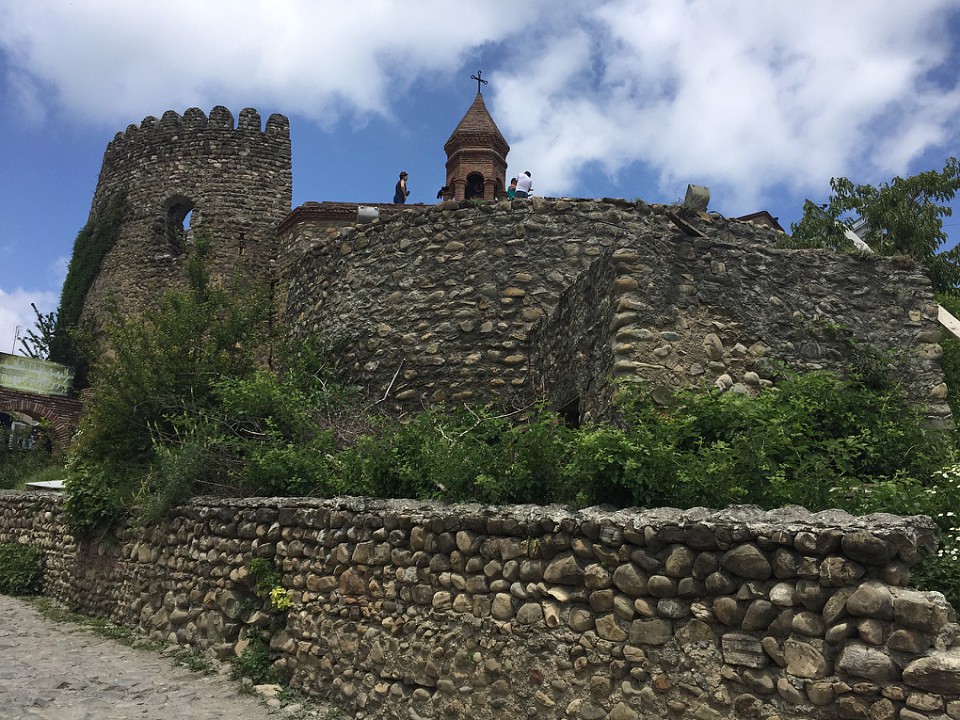
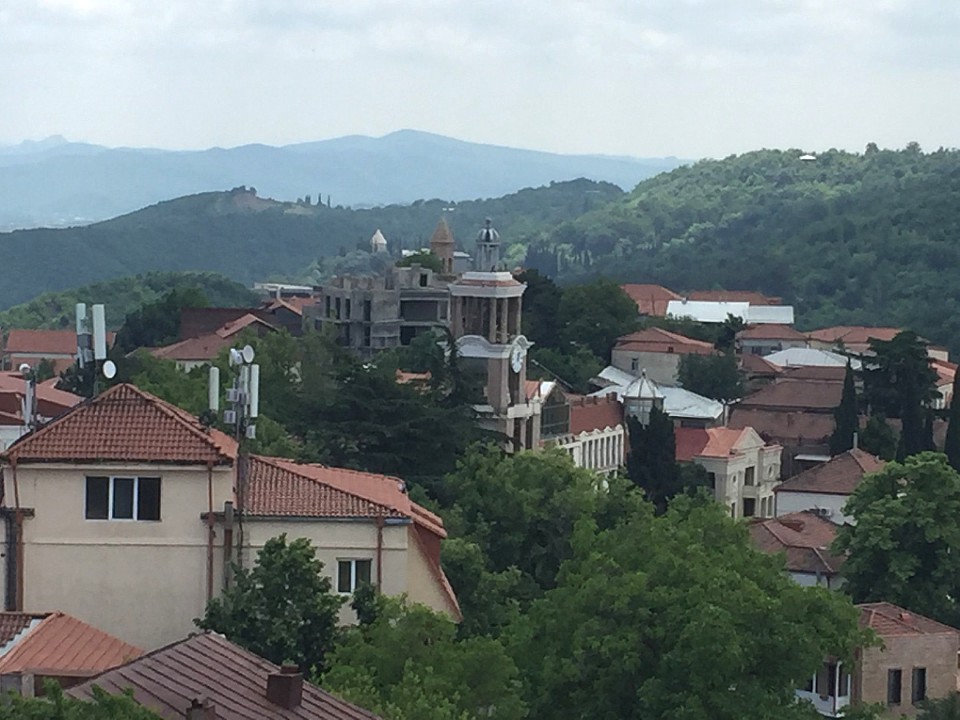
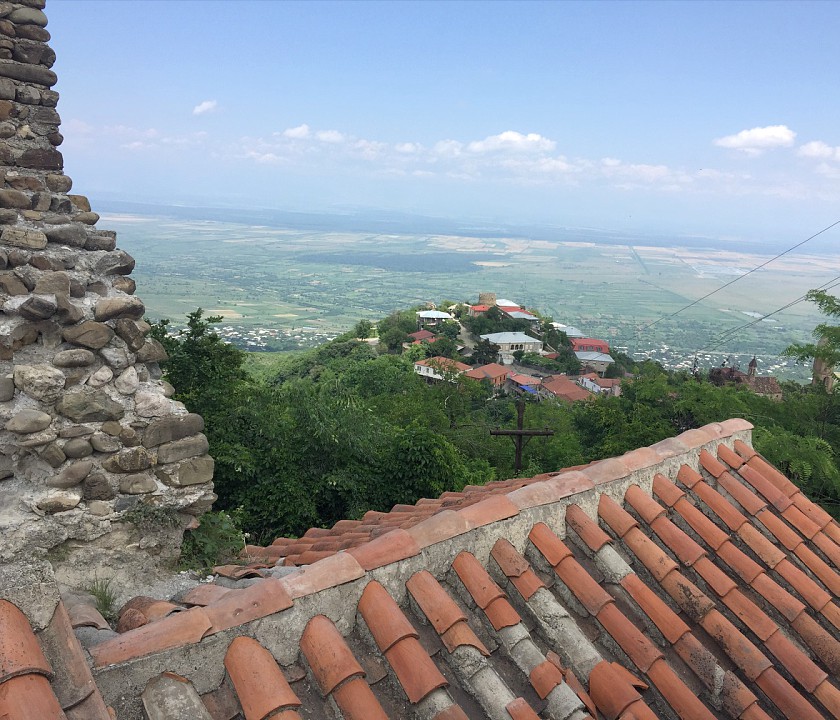
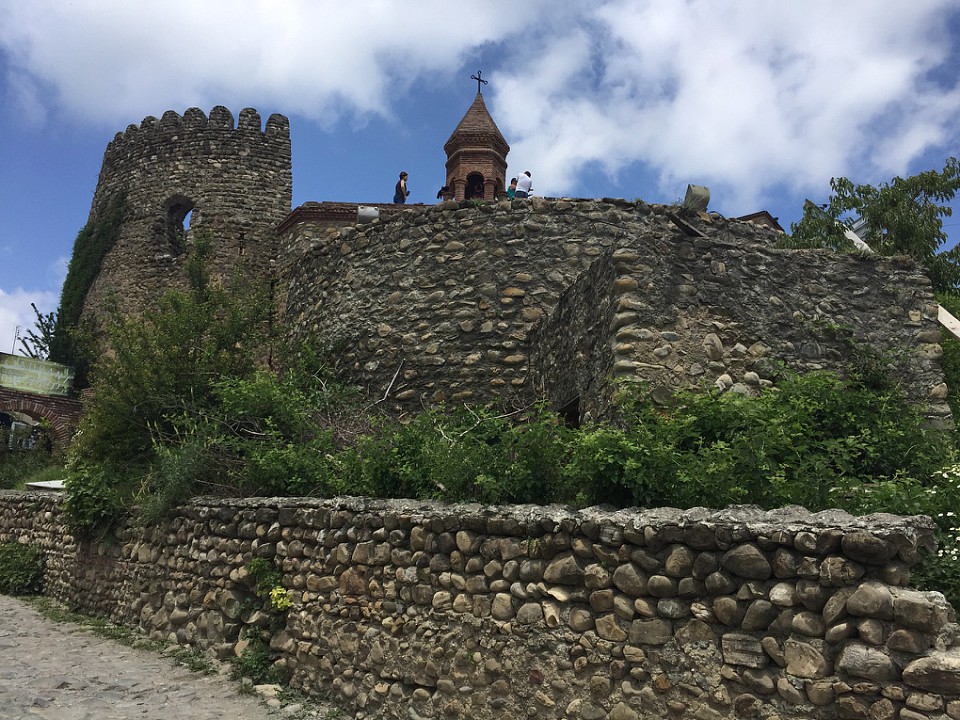
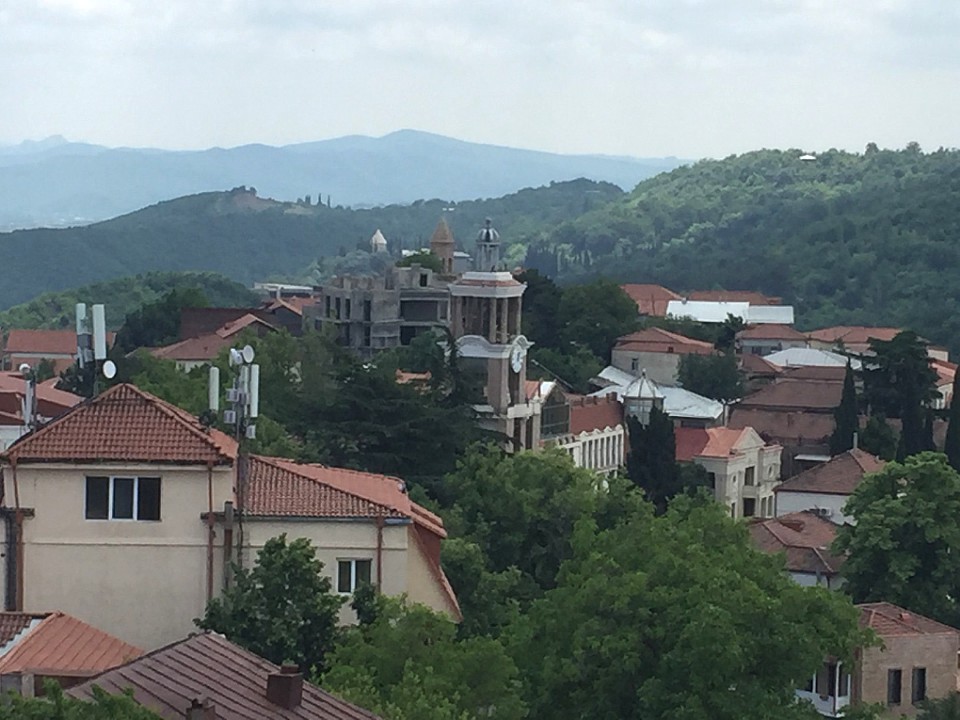
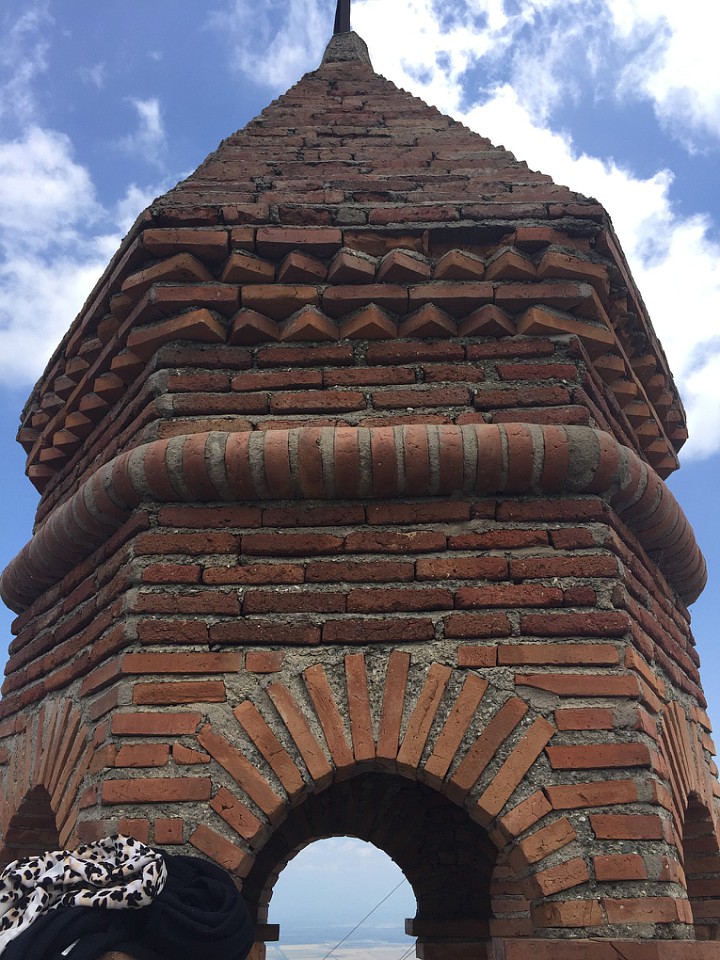
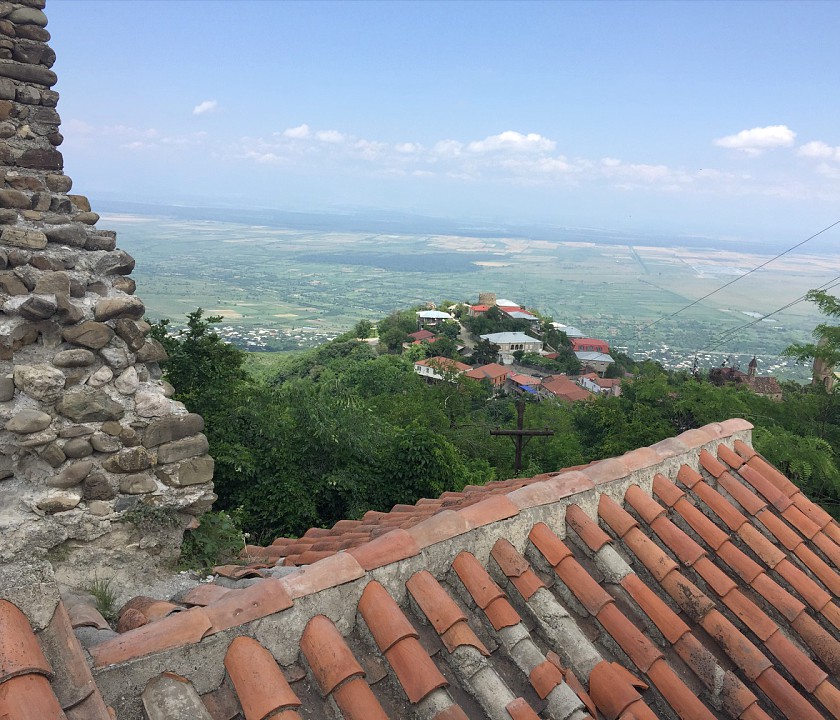
Next we drove a short distance into the town of Sighnaghi. Unfortunately the museum is closed on Mondays. But we walked around the lovely little town, running into a cousin from the night before who took us to the market where her mother sold churchkhela, or homemade Georgian Snickers. She cut several strings of the hand dipped candy as a gift for us. We walked to the crest of the hill where the ruins of an old fortress stood. Our time there was short because it was just a stop along our way to wine country, and beyond.

Our third stop of the afternoon was as a winery. Georgia is widely recognized as the motherland of wine, dating back to about 6000 BC. For the most part, wine-making technology has changed little since the first successful techniques. Grapes are still harvested by hand, and still pressed by foot. The juice ferments without additives, with no water or sugar. Many Georgians make their own wine according to the ancient tradition, as our hosts had done the evening before at the family reunion.
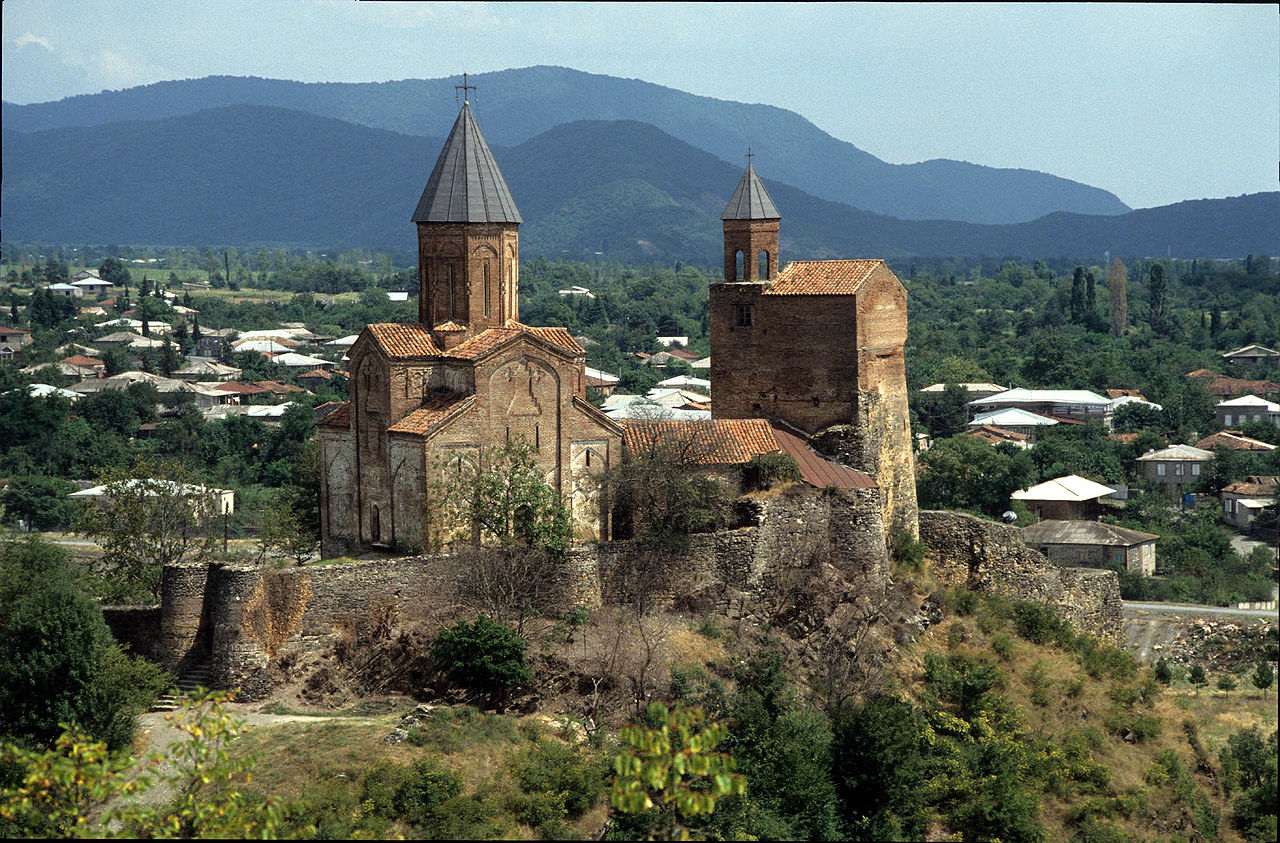
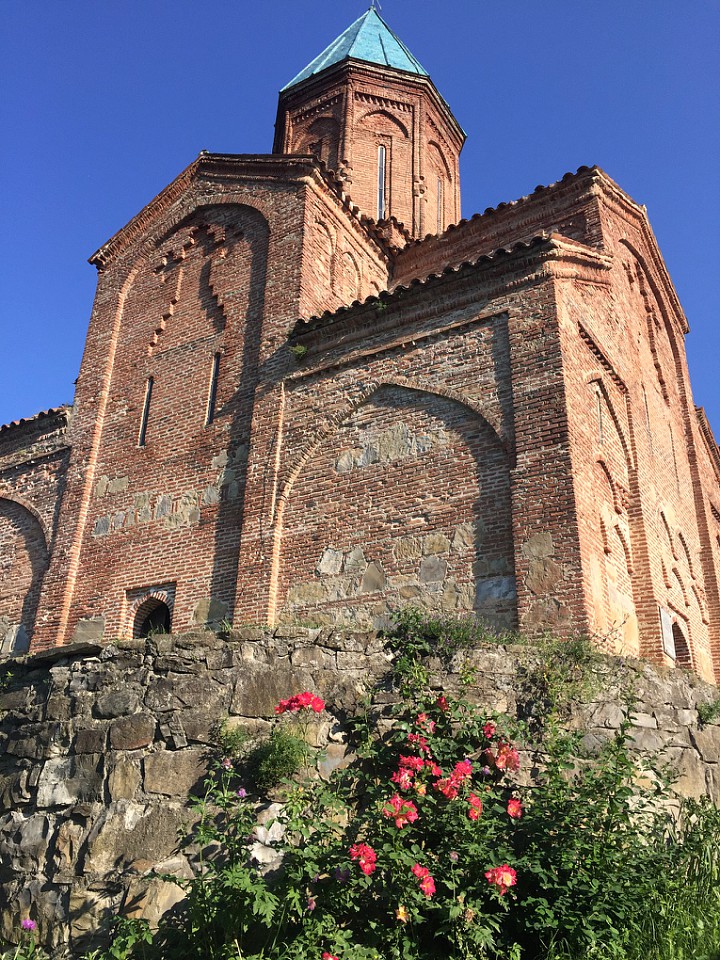
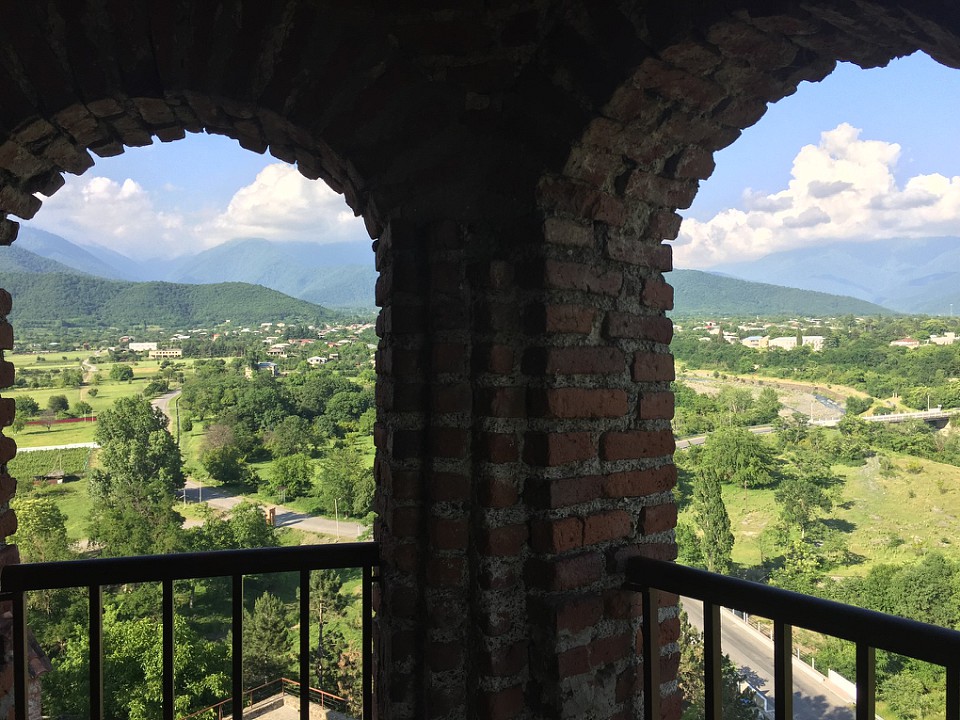
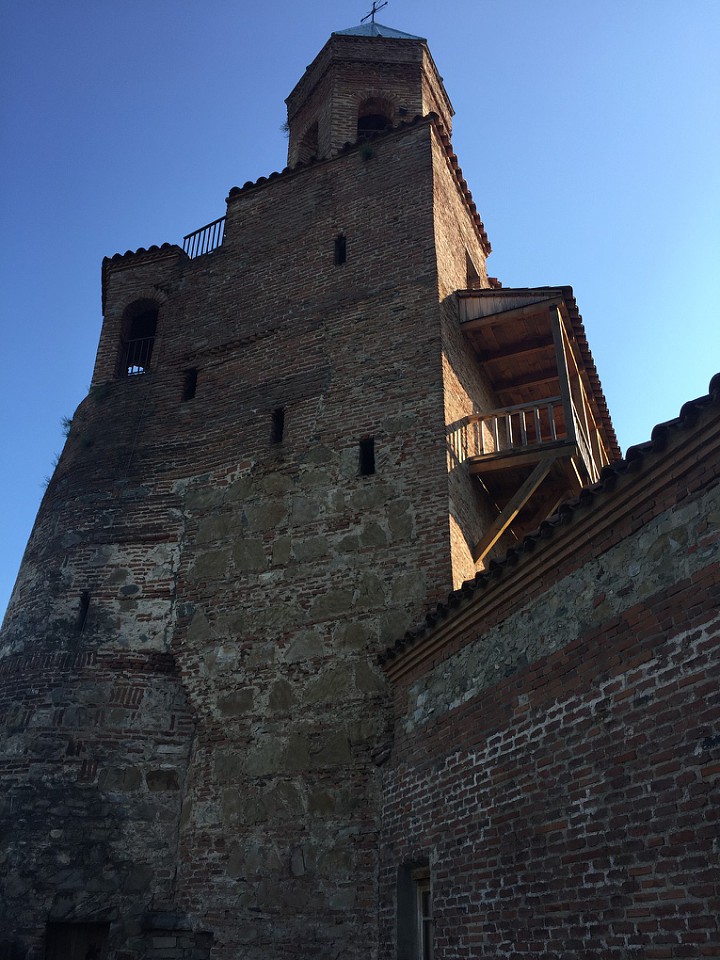
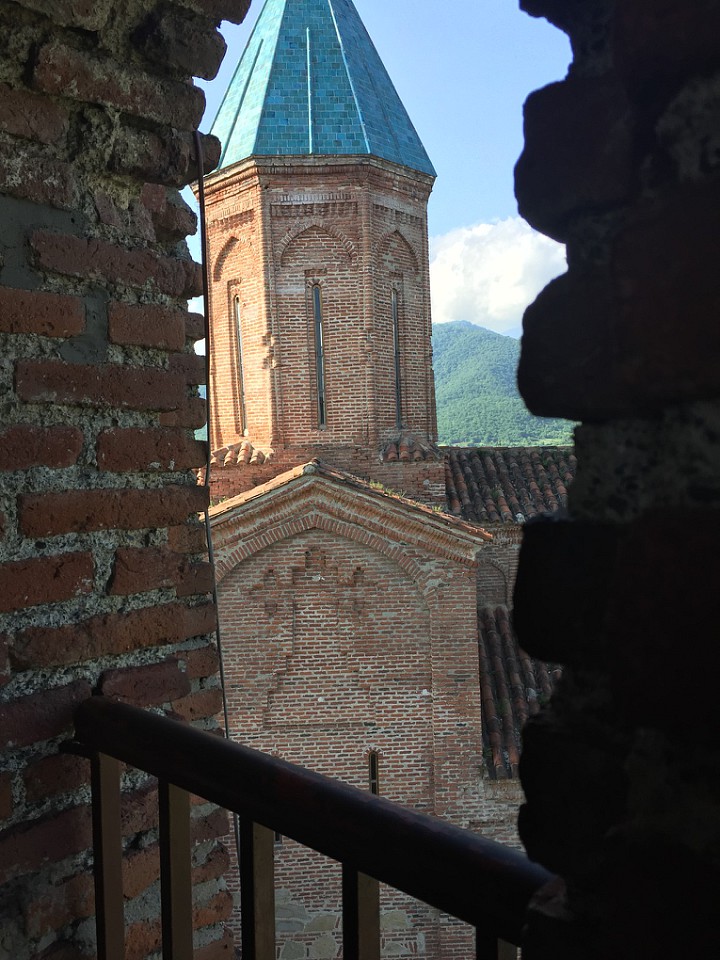
We made one more stop at the Church of the Archangels, Michael and Gabriel in Gremi, about a hundred miles from Tbilisi. Gremi was the capital of the ancient kingdom of Kakheti in the 16th and 17th centuries. It was a flourishing trading town on the Silk Road and a royal residence, with the church and a palace on the nearby mountain top. The town below was razed to the ground by the armies of Persia in 1615. The town never regained its former prosperity and prominence.
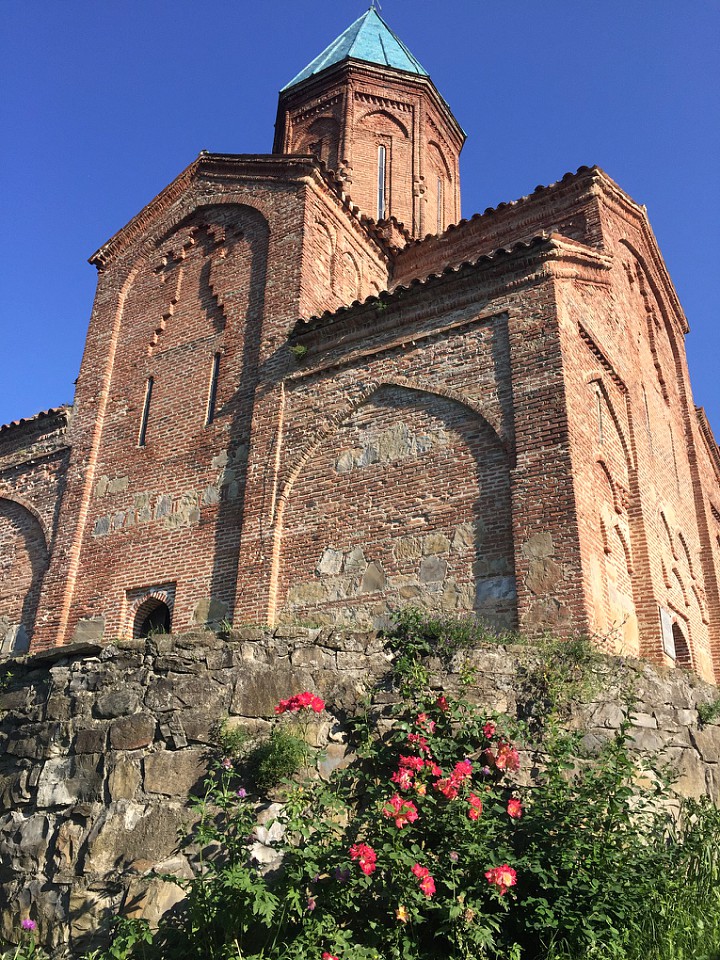
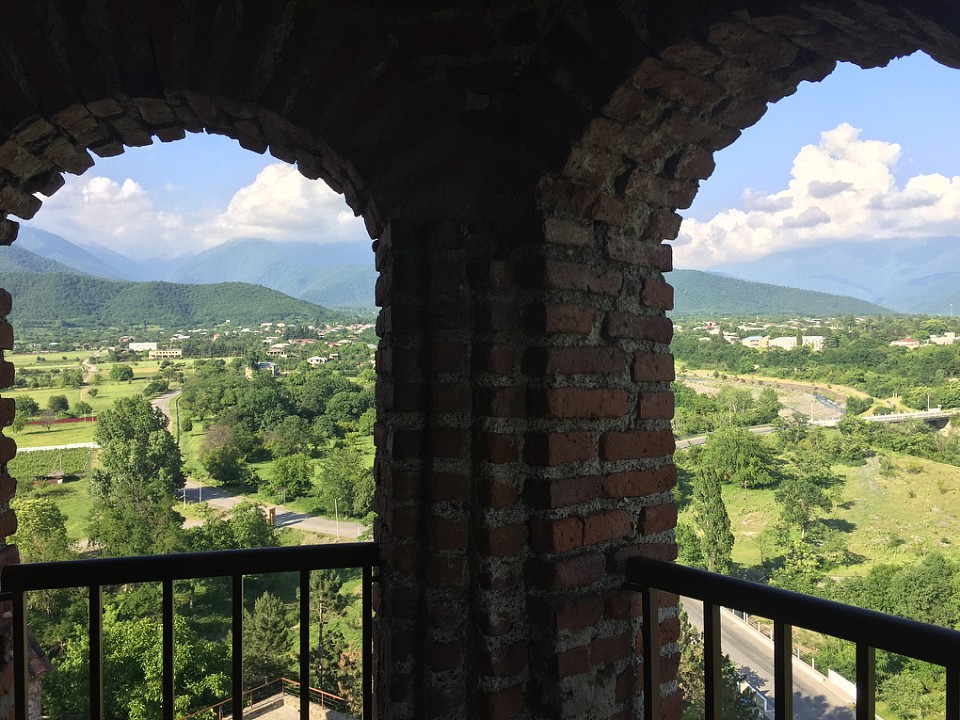
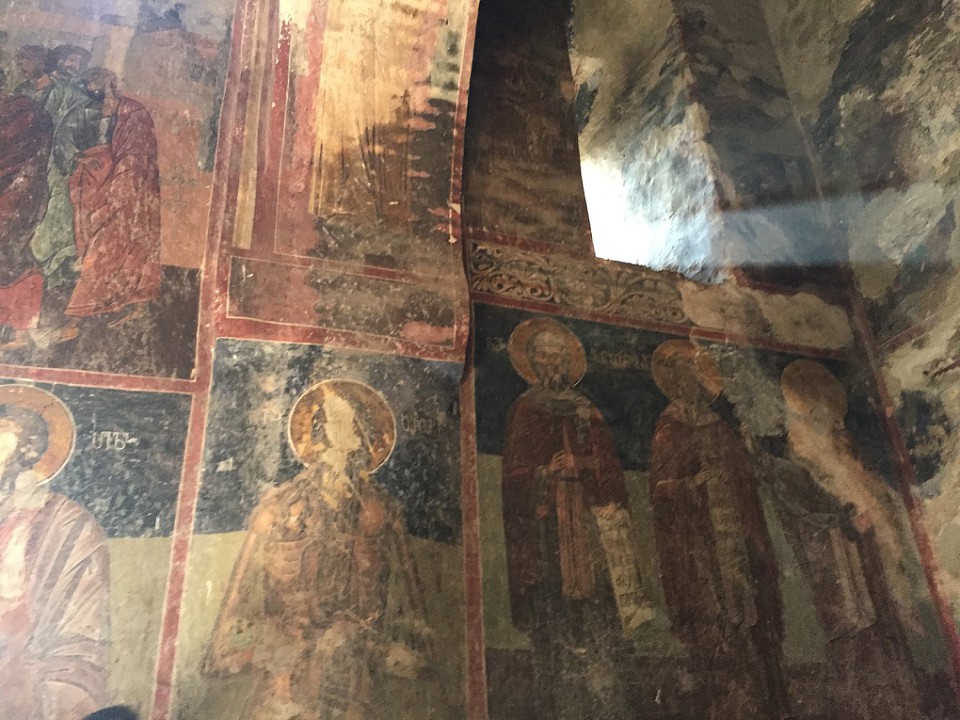
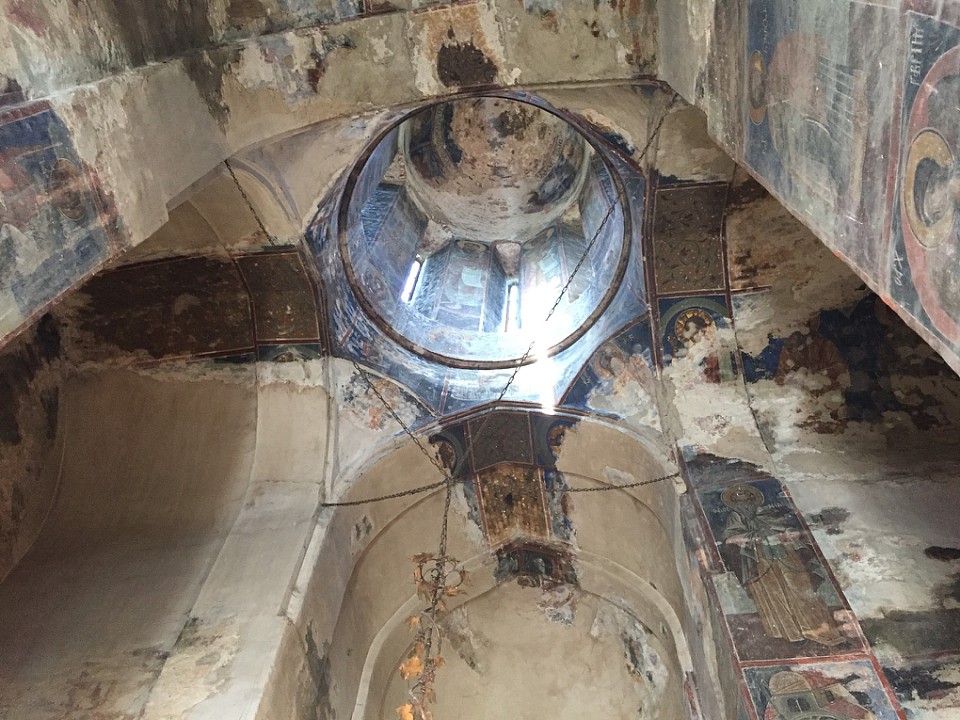
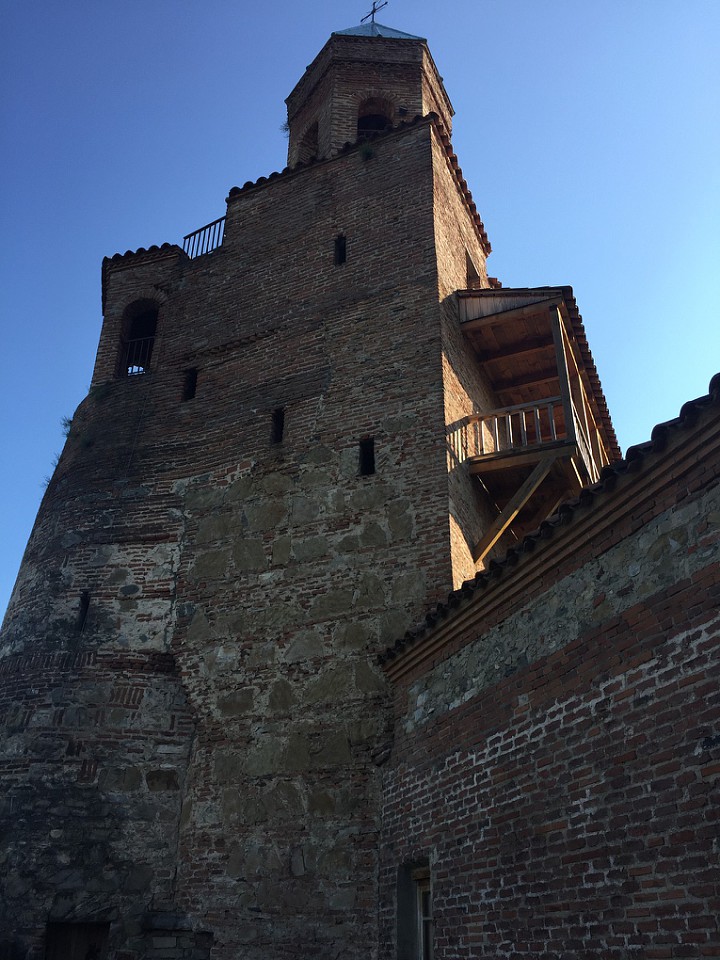
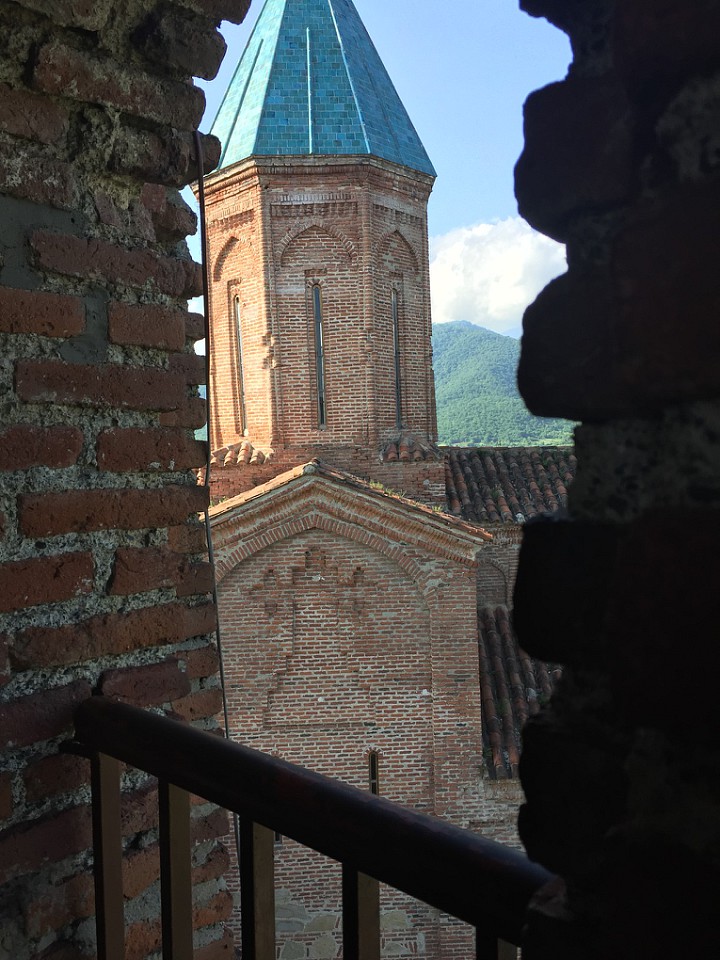
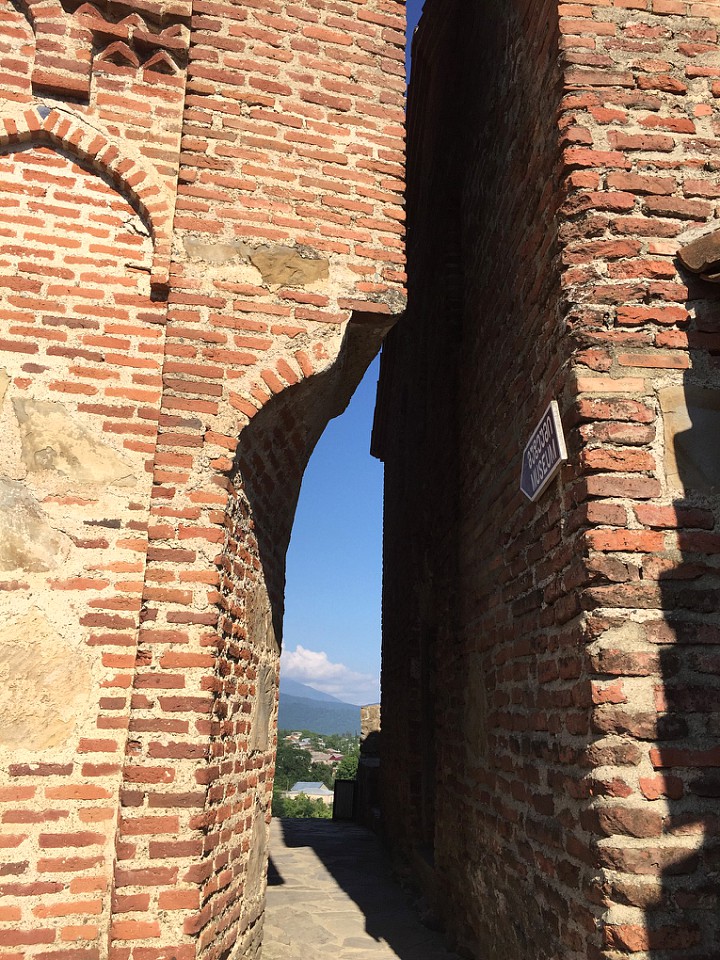
The oft repeated history lesson from our proud tour guides at our varies stops was “We (Georgians) built these magnificent structures, and the Persians and the Mongols damaged or destroyed them, and we built them back. The survival of the Georgians is a testament to their fortitude and their faith, as documented in this excellent video, To the Last Drop of Blood.
When we returned to our hotel, old, tired people might have been ready to call it a night. But not us. Lia, Elene, and a cousin we met the night before, Tamara, picked up us around 9 p.m. Tamara, or “Tako,” 28, is a funny and brave young woman, who owns her own car and drives in Tbilisi. And she drove quite responsibly. I asked Elene if she drove, and her eyes got big and she shook her head emphatically no. So, it wasn’t my imagination that most drivers in Georgia drove a bit recklessly? Elene concurred with my observation.
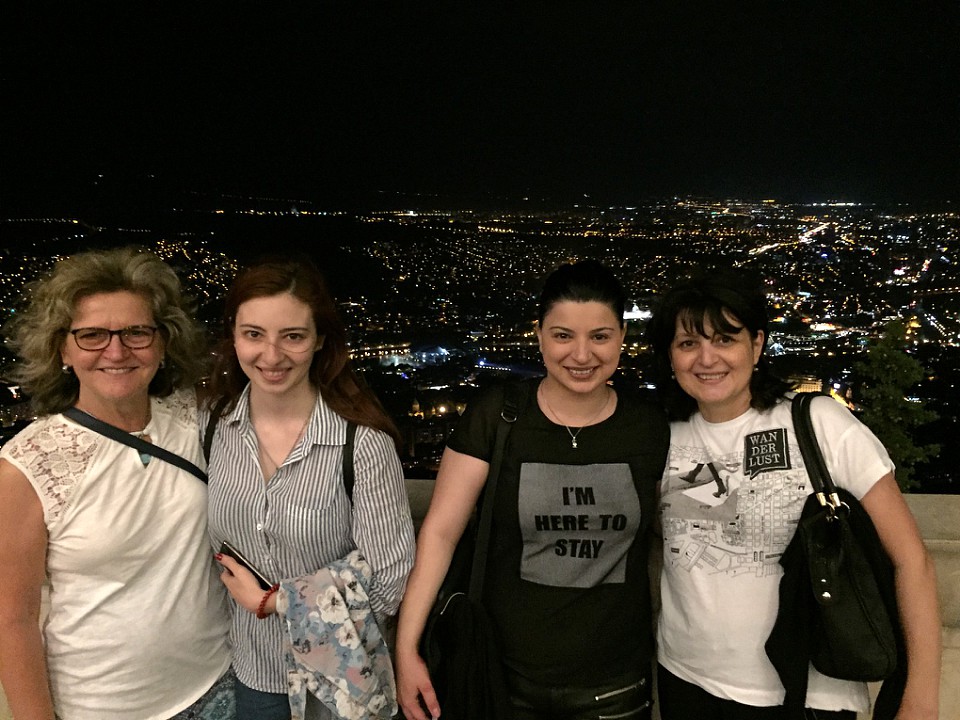
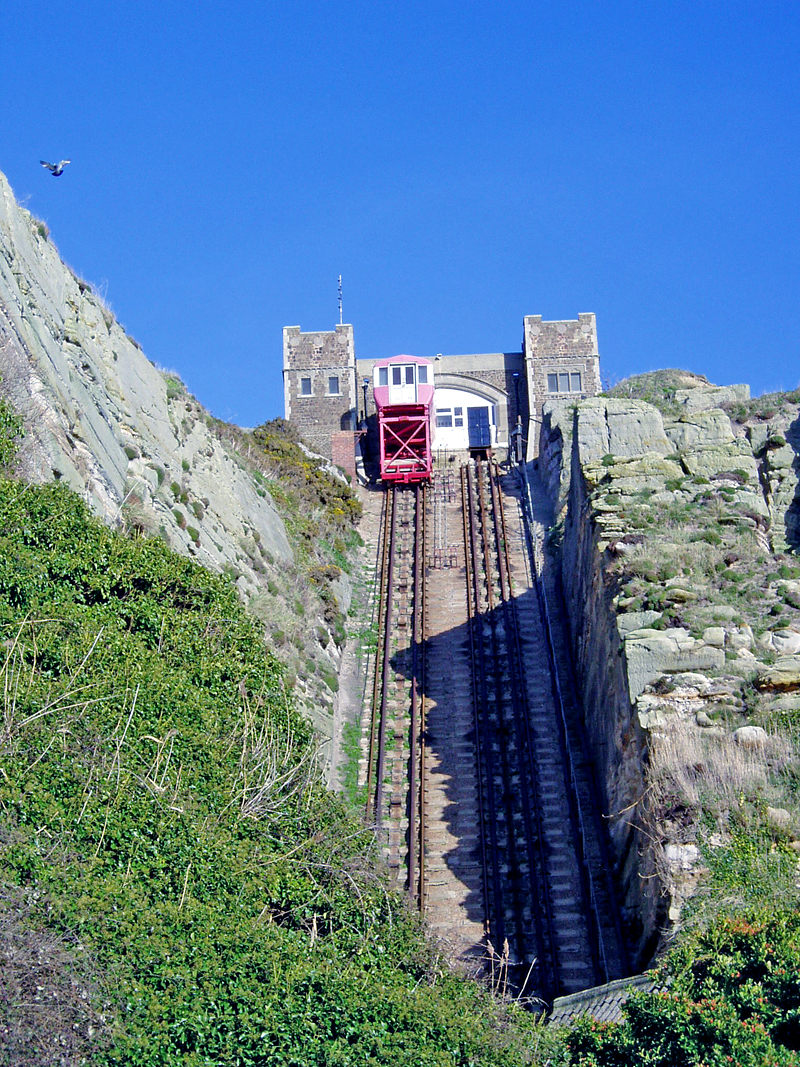
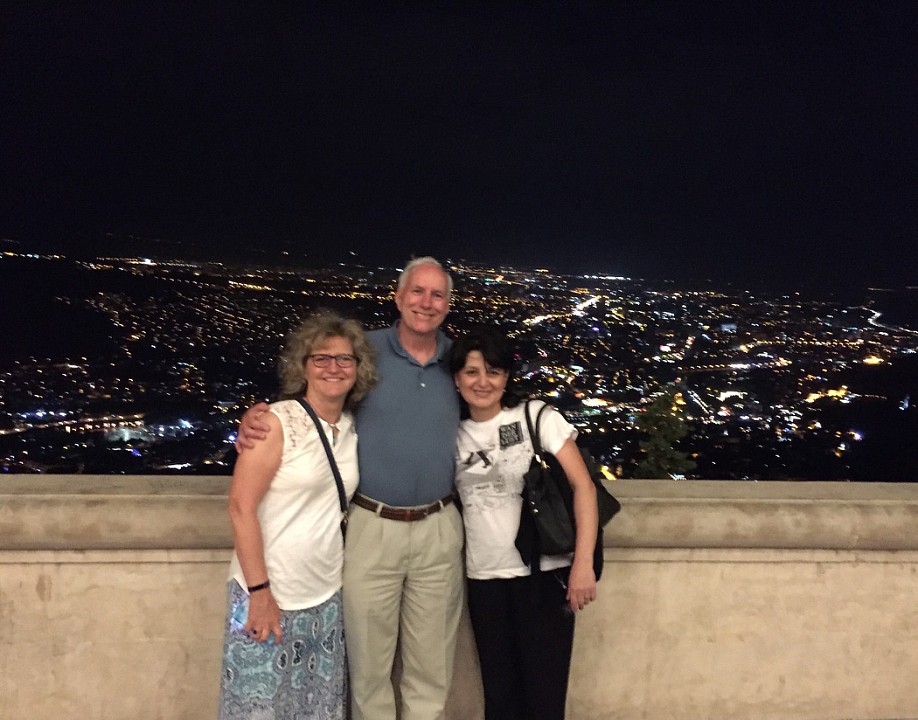
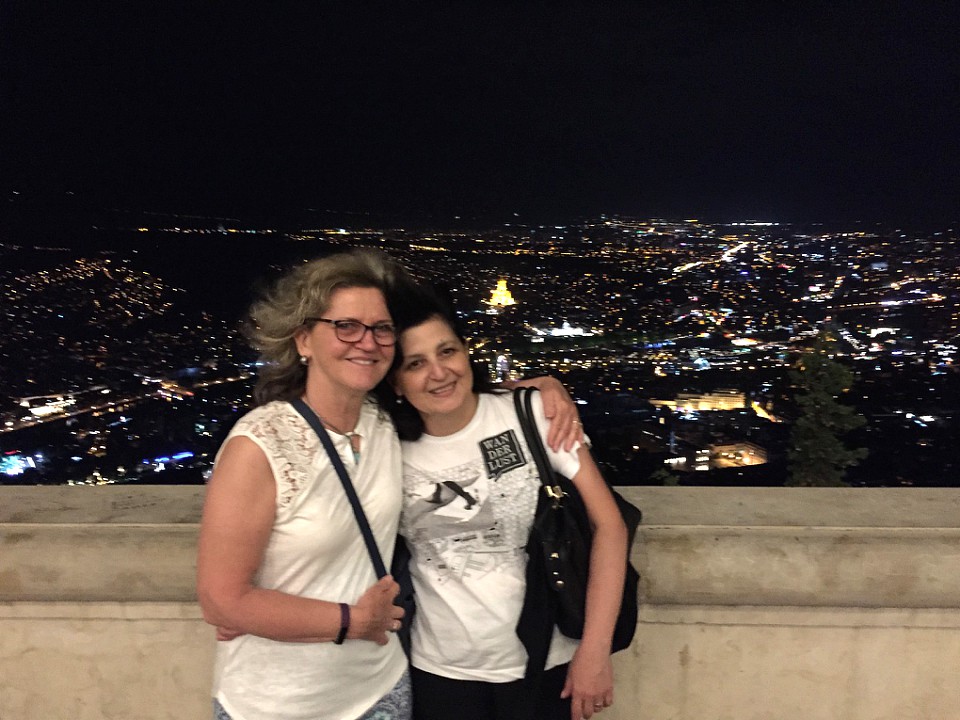
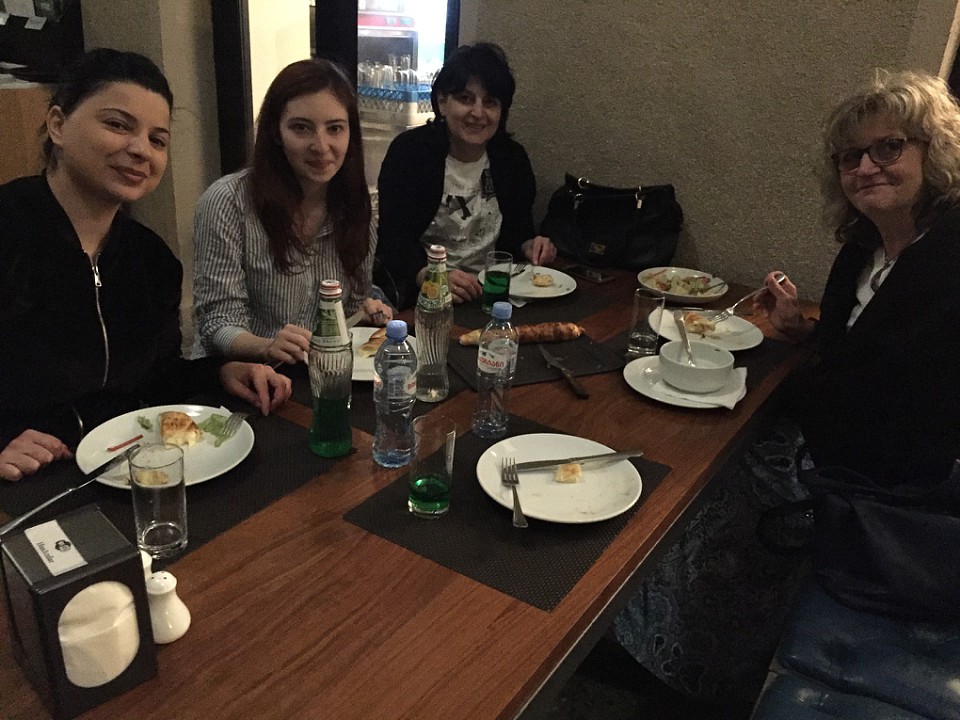
We went into downtown Tbilisi on this Tuesday evening where the night life was just revving up. We took the steep cable car, or funicular (built in 1905), to the top of Mtatsminda. It was evident that Lia had many fond childhood memories of this place, with its amusement park and gardens. How wonderful it would have been if Lia and I, walking arm in arm, could just chat with one another without the impediment of vastly different languages. But I was thankful for the two young, gracious, and patient English speakers, Elene and Tako. After walking through the dimly lighted charming gardens and enjoying the views of central Tbilisi at night, we ate at the popular Funicular Restaurant, a favorite attraction in the city for over a century. We had to rush to get on the last cable car down at midnight. Otherwise, we would have been required to take a taxi. No big deal. But it was exciting, rushing to the cable car with minutes left and boarding the last car of the night.

Another full day. A full stomach. And very full heart. I am so grateful.
| Continue with Part Nine, Day Three. Don’t miss the exciting and heart breaking stories about finding this lovely family. Begin with Hope for Restoration. Many Roma and God Stories begin with The Hound of Heaven Winks. Readers can start at the beginning of our story by reading But the Greatest of These is Love. Be blessed. Even in the pain, I feel like I have lived something Sacred. |
 Consider it all JOY